November 17, 2026
A fire protection system is designed to respond when an emergency occurs, but its components must remain in suitable working condition to perform that role. Sprinklers, control valves, alarms, pumps, and connected equipment each contribute to detection or suppression. When one component becomes damaged, obstructed, or unreliable, the effectiveness of the overall system may be affected. Regular fire system maintenance helps identify developing concerns before they interfere with emergency response.
Property owners and facility managers should pay attention to changes in system behavior, even when no alarm or visible failure has occurred. Unusual sounds, recurring trouble signals, leaks, or inconsistent pressure can indicate that a component needs professional evaluation. These signs should not be dismissed as minor inconveniences. A qualified fire protection provider can determine whether the issue involves an isolated part or a broader system concern.
Investigate Alarms and Repeated Trouble Signals
Fire alarm panels and monitoring equipment communicate important information about system status. Repeated trouble indicators, unexpected alerts, intermittent communication faults, or alarms that do not reset normally may point to wiring issues, device faults, power concerns, or other conditions requiring attention. Even when a signal does not indicate an active fire, it deserves timely assessment because an unresolved fault can affect the system's readiness.
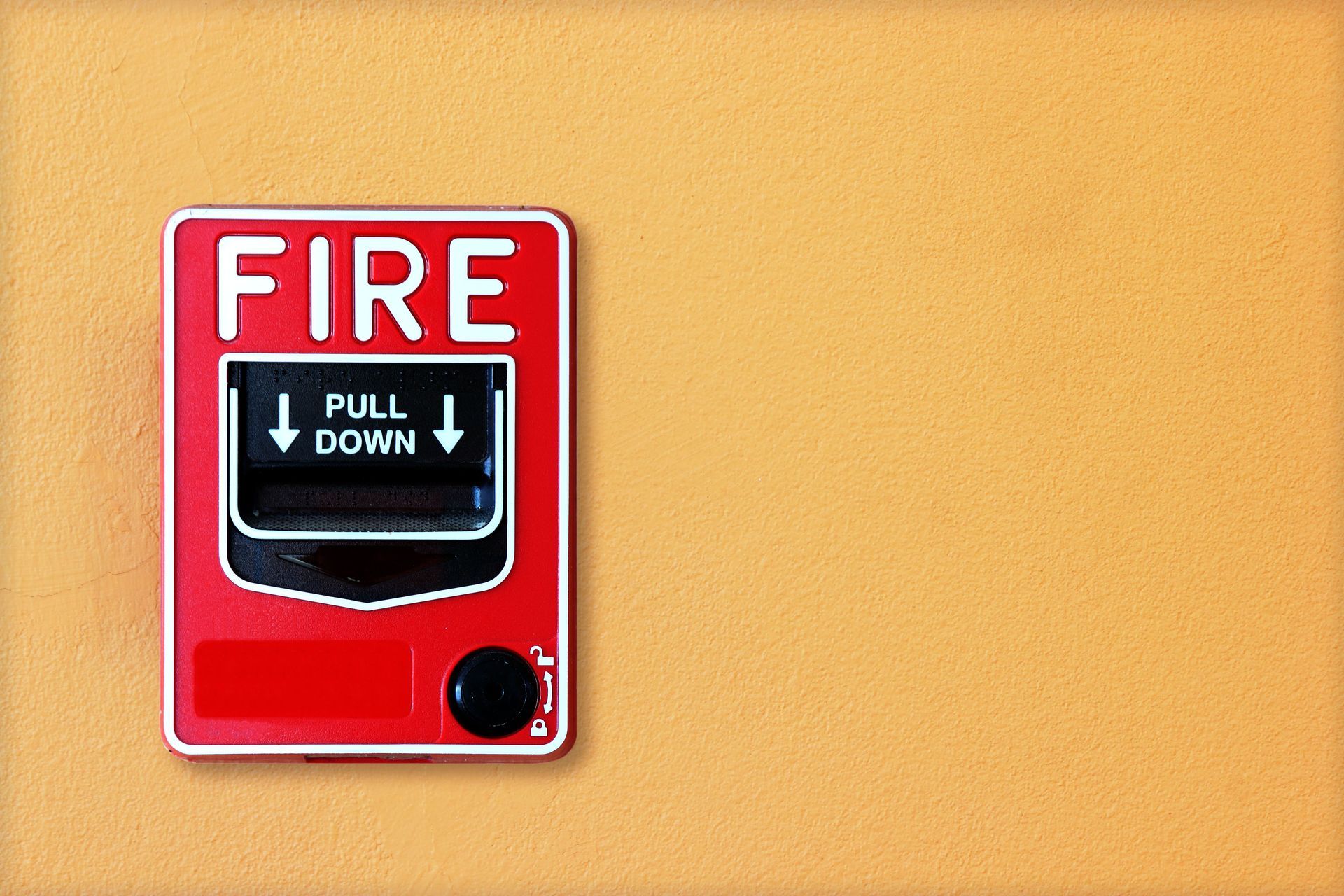
A commercial or residential property may have multiple detection devices connected to a central panel. Smoke detectors, heat detectors, pull stations, notification appliances, and monitoring connections must work together as intended. If one device repeatedly reports a problem, the cause should be identified rather than repeatedly clearing the message without understanding it. Professional fire system maintenance includes evaluating the equipment and confirming that the affected components communicate correctly.
Address Leaks and Visible Equipment Damage
Water around sprinkler piping, valves, fittings, or fire pumps is a clear reason to arrange an inspection. Even a small leak can indicate corrosion, a compromised connection, mechanical damage, or another developing problem. Moisture can also damage nearby building materials and equipment if it remains unaddressed. The source and significance of the leak should be determined by a qualified technician.
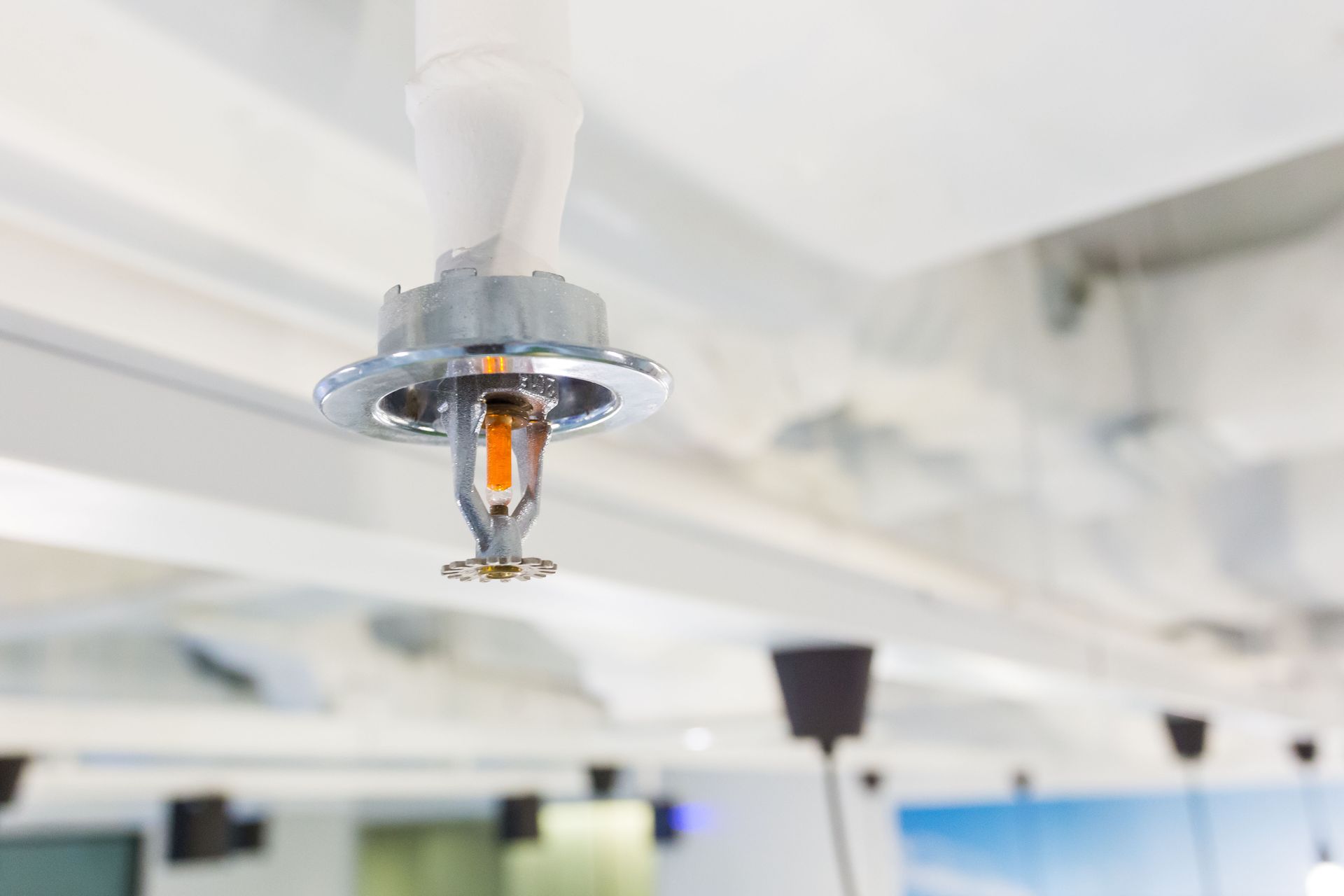
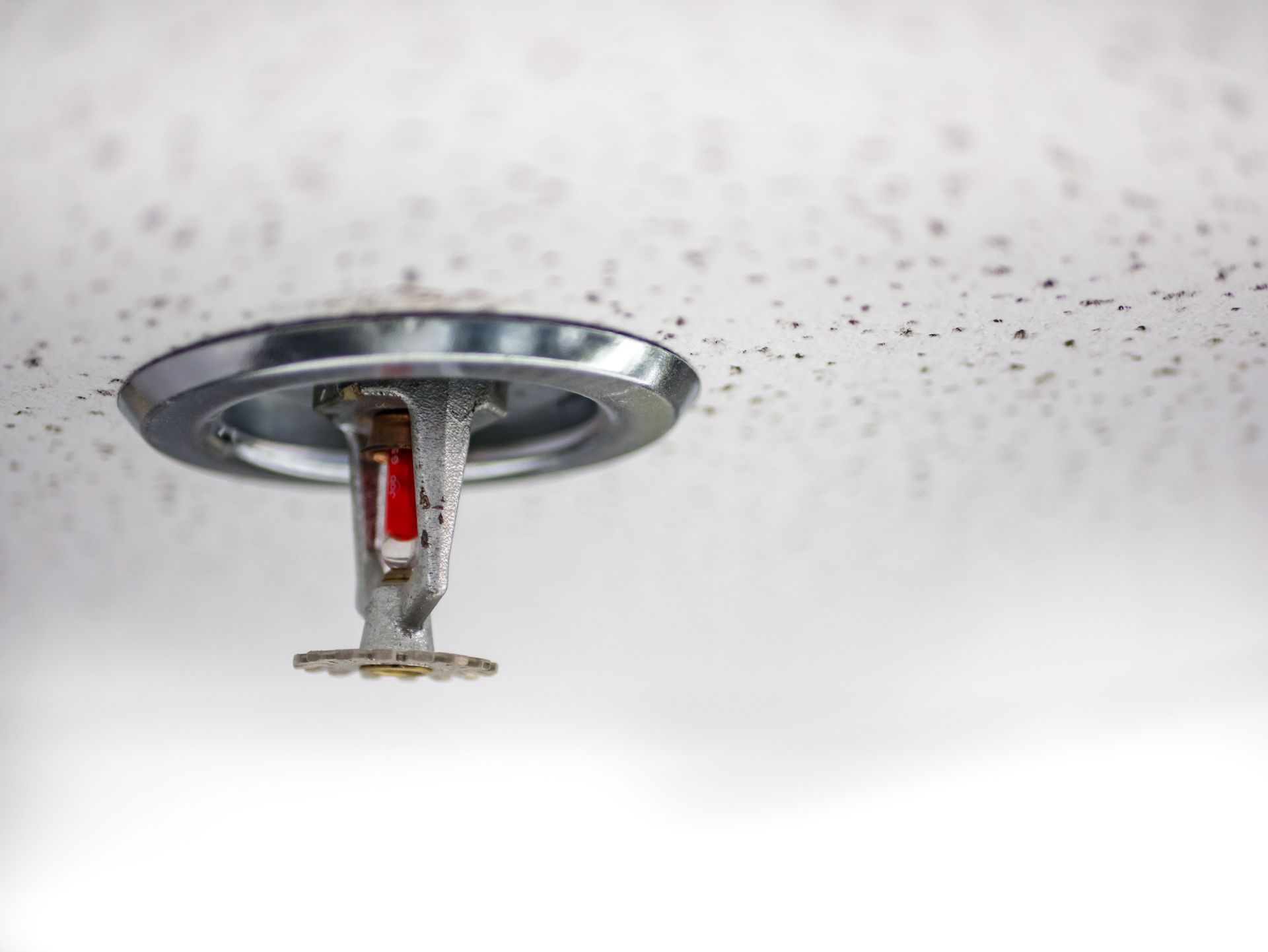
Visible damage deserves similar attention. Bent sprinkler heads, missing protective covers, corroded pipes, damaged cabinets, and obstructed equipment can compromise operation or delay access during an emergency. Sprinkler heads that have been painted, struck, or altered may no longer function as intended. Property managers should ensure that any damaged component receives professional evaluation and appropriate corrective service rather than assuming it remains operational.
Monitor Pressure and Water Supply Concerns
Water-based fire protection systems depend on an adequate and reliable water supply. Changes in pressure, pump performance, valve position, or water supply conditions can affect the system's ability to deliver water when required. Pressure readings that fluctuate unexpectedly or fall outside the expected operating range warrant investigation. A technician can assess whether the cause relates to the supply, pump, control equipment, leakage, or another factor.
Fire pumps and related components may also produce warning signs when performance changes. Unusual vibration, overheating, unexpected cycling, or abnormal noises can indicate mechanical or electrical concerns. Because these systems are important to the delivery of water during a fire, any irregularity should be reviewed promptly. Scheduled fire system maintenance helps verify that water supply equipment and connected components remain in proper operating condition.
Identify Obstructions Around Sprinkler Components
Sprinkler systems need clear discharge areas to distribute water as designed. Storage stacked too close to sprinkler heads, newly installed partitions, suspended decorations, or changes to ceiling layouts can interfere with spray patterns. Renovations and changes in how a room is used may introduce obstructions that were not present when the system was originally installed. These changes should be reviewed to determine whether the existing protection still suits the space.
Obstructions can also affect access to control valves, alarm devices, fire department connections, and other equipment. If responders or technicians cannot reach critical components quickly, inspection and emergency activities may be delayed. Property owners should arrange a professional review after renovations, changes in storage arrangements, or significant occupancy changes. Maintaining appropriate clearances is an important part of keeping the system ready.
Respond to Aging Components and Missed Inspections
Fire protection equipment is subject to wear, environmental exposure, and changing operating conditions. Seals can deteriorate, valves can become difficult to operate, batteries and power supplies can age, and corrosion may develop in piping or fittings. Some components also have inspection, testing, or replacement requirements based on their type and applicable standards. An aging system should not be assumed to be dependable simply because it has not recently experienced an emergency.
Missed inspections create another warning sign. Records help property owners track service history, testing, deficiencies, and corrective work. When documentation is incomplete or scheduled evaluations have been delayed, it may be unclear whether important components have been checked at the appropriate intervals. Professional fire system maintenance can help establish the system's current condition, identify outstanding deficiencies, and organize the work needed to address them.
Consider the Safety Risks Across Property Types
Fire protection needs extend across homes, apartment buildings, offices, retail spaces, warehouses, and other occupied properties. Each setting has different layouts, occupants, hazards, and operational demands, but all depend on equipment that functions when an emergency occurs. Residential properties deserve particular attention because occupants may be asleep or unfamiliar with the building's fire protection features when a fire starts. According to SafeHome.org, close to 75 percent of fire-related fatalities in the United States occur in residential properties. This figure underscores the importance of maintaining effective fire protection in the places where people live.
Commercial properties face their own challenges, including higher occupancy, specialized equipment, storage arrangements, and changes in building use. A system that was suitable for an earlier layout may need reassessment after renovations or operational changes. Property owners and managers should work with qualified professionals who understand the system type and the requirements that apply to the building. Consistent fire system maintenance addresses risks specific to each property.
Arrange Professional Evaluations and Corrective Service
When warning signs appear, fire system maintenance evaluations can clarify the issue and appropriate response. A qualified provider can inspect affected components, perform required testing, review available records, and explain any deficiencies. The scope of service depends on the system, the reported symptoms, and applicable requirements. Clear findings help prioritize work and explain equipment condition.
Routine
fire system maintenance matters even without obvious warning signs. Some problems develop internally or remain unnoticed until a system is tested. Inspection and testing schedules vary according to equipment type, local requirements, and applicable fire codes and standards. A professional provider can explain the applicable schedule and document completed work. Proactive fire system maintenance supports readiness and helps reduce the likelihood that an undetected problem will remain unresolved.
A fire protection system should be ready to operate when people need it. Repeated alarms, leaks, visible damage, pressure changes, obstructed sprinkler heads, aging components, and missed inspections are all reasons to arrange professional attention. Responding to these signs promptly can help identify deficiencies and keep important equipment in suitable working condition. Consistent evaluations also give property owners a clearer understanding of their system's condition and service needs.
HydroPro Fire Sprinkler Company can help you assess your property's fire sprinkler needs and address maintenance concerns. Our team can evaluate system components, discuss reported issues, and help determine the appropriate service for your installation. Whether you manage a residential property or a commercial facility, we can help you take a proactive approach to fire protection. Contact HydroPro Fire Sprinkler Company to schedule an evaluation and keep your fire protection system prepared.