May 19, 2026
Fire protection is not a passive investment. It is an active system that requires planning, precision, and ongoing attention to perform when it matters most. Whether you manage a commercial facility, operate a restaurant, or oversee a multi-unit property, understanding what professional fire system services involve can help you make informed decisions that protect lives and assets.
Fire risks are not theoretical. According to the National Restaurant Association, fire departments across the United States respond to more than 9,000 structural fires in dining and drinking establishments each year, underscoring how frequently these incidents occur in real-world environments. That reality makes it essential to partner with professionals who understand how to design, install, and maintain reliable fire protection systems.
When evaluating fire protection system services, it helps to know what the process looks like from start to finish, what components are involved, and how ongoing support ensures long-term compliance and performance.
Comprehensive System Design and Planning
Initial Property Assessment and Risk Analysis
Professional fire system services begin with a detailed evaluation of your property. This step is not a cursory walkthrough. Technicians conduct a systematic assessment that considers building layout, occupancy type, fire load, and potential ignition sources. The goal is to identify both obvious and less apparent vulnerabilities.
During this phase, factors such as ceiling height, compartmentalization, ventilation, and material storage are analyzed. For example, a warehouse storing combustible materials requires a fundamentally different approach than an office building with low fire load. Similarly, commercial kitchens introduce grease-related hazards that demand specialized suppression strategies.
Risk analysis also incorporates local fire codes and national standards. Compliance is not optional, and experienced providers ensure that every recommendation aligns with regulatory requirements. This prevents costly redesigns later and ensures the system will pass inspection once installed.
A thorough assessment lays the groundwork for effective fire protection system services because it ensures that the solution is tailored rather than generic. No two properties present identical risks, and a customized design is critical for reliable protection.
Custom Fire Protection System Design
Once the assessment is complete, the design phase begins. This is where engineering expertise comes into play. Fire system services include creating detailed plans that specify system type, component placement, and performance requirements.
Designers consider multiple system options based on the environment. Wet sprinkler systems are commonly used in temperature-controlled spaces because they provide immediate water discharge. Dry systems are more appropriate for unheated areas where freezing could compromise functionality. In high-risk environments, deluge systems may be specified to deliver rapid, high-volume water flow.
For properties with sensitive equipment or valuable assets, action control systems require multiple triggers before activation. This reduces the risk of accidental discharge while maintaining fast response times during actual emergencies.
In multi-story buildings, combined sprinkler and standpipe systems are often incorporated. These systems not only provide automatic suppression but also support manual firefighting efforts by delivering water to multiple levels efficiently.
Professional Installation and System Integration
Precision Installation by Certified Technicians
Installation is where design becomes reality. Professional fire system services rely on trained and certified technicians who understand the technical and regulatory requirements of each component.
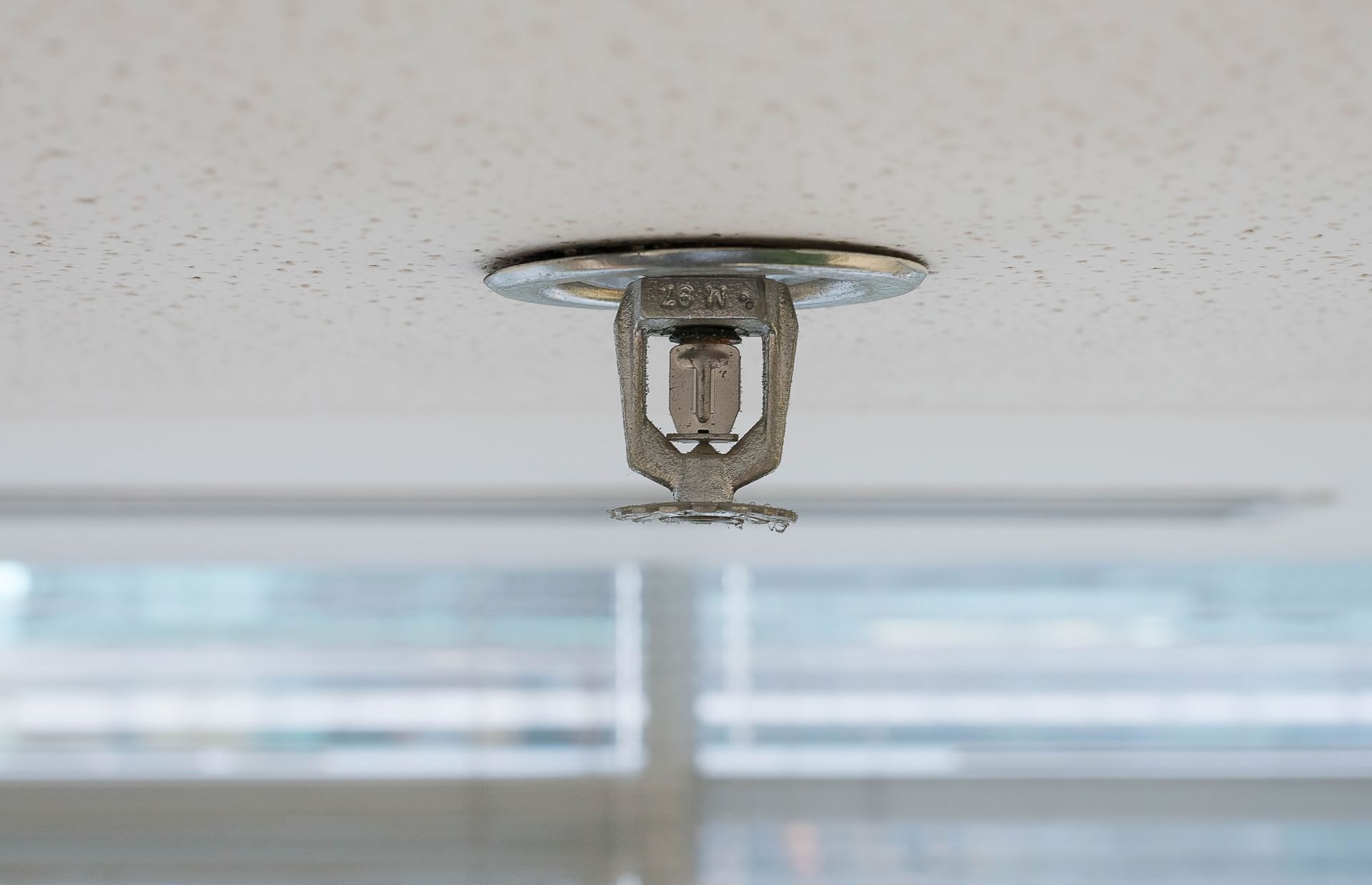
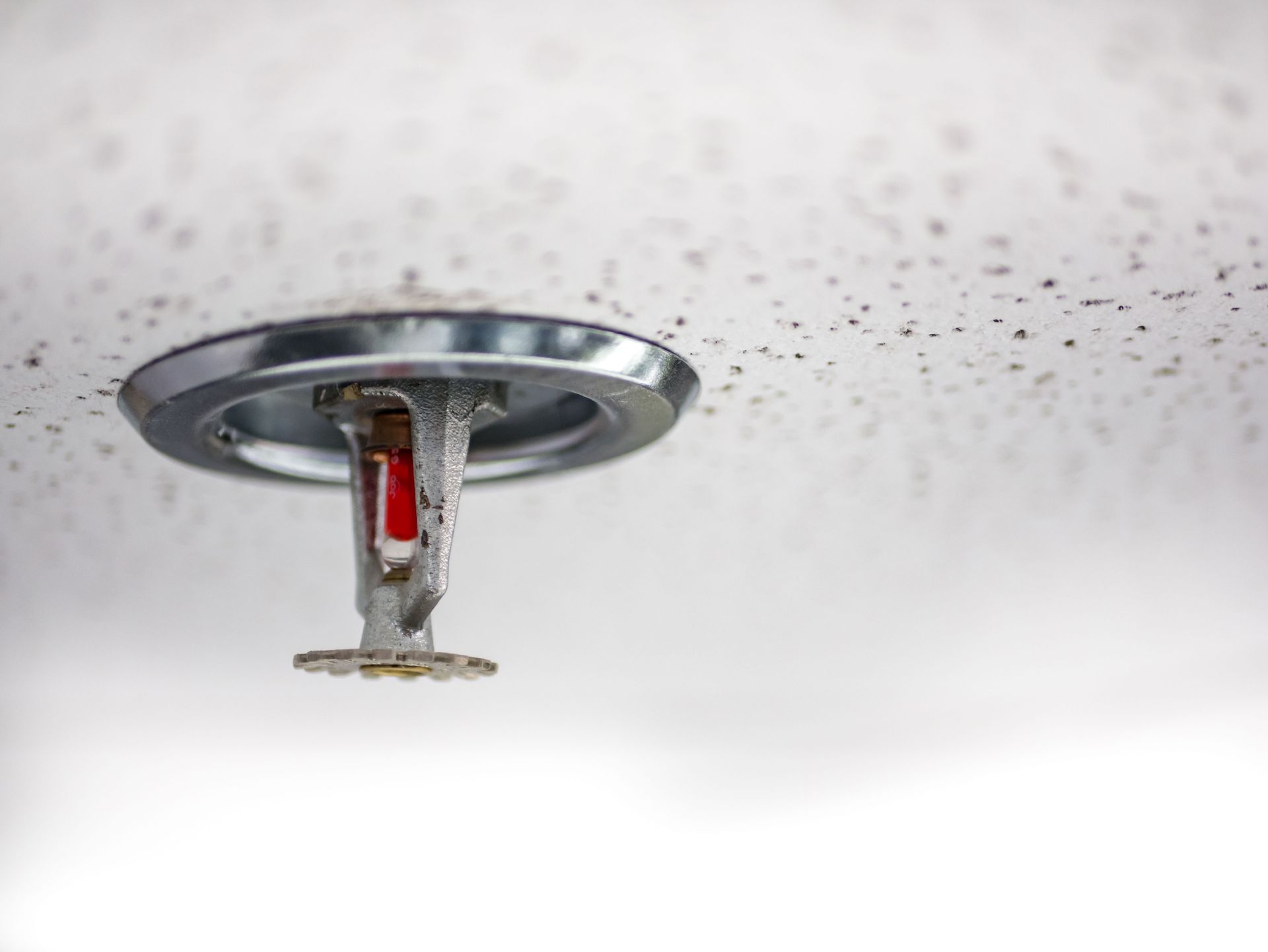
This phase involves installing piping, sprinkler heads, valves, fire pumps, alarms, and control panels according to the approved design. Accuracy is critical. Even minor deviations can impact system performance or lead to compliance issues.
Technicians also ensure that materials meet required standards. Components must be properly rated for their intended use, whether that involves high-pressure water flow, exposure to extreme temperatures, or integration with other building systems.
In addition to mechanical installation, electrical components such as fire alarms and control panels are configured to ensure seamless operation. This includes wiring, programming, and calibration to meet system specifications.
Integration of Fire Alarm and Suppression Systems
A well-designed fire protection strategy involves more than isolated components. Fire system protection services include integrating detection and suppression systems to create a cohesive response mechanism.
Fire alarms play a critical role in early detection. These systems are designed to identify smoke, heat, or flame and trigger alerts that notify occupants and emergency responders. Integration ensures that when an alarm is activated, suppression systems respond accordingly.
For example, a detected fire may trigger sprinkler activation in the affected zone while simultaneously initiating audible and visual alarms throughout the building. In some cases, systems can also control ventilation or shut down specific equipment to limit fire spread.
Coordination between systems enhances response time and effectiveness. It also ensures that occupants receive timely warnings, which is essential for safe evacuation.
System Testing and Commissioning
Before a system is placed into service, it must undergo rigorous testing. Fire system services include comprehensive commissioning processes to verify that every component functions as intended.
Testing involves simulating various scenarios to ensure proper operation. This may include activating alarms, checking sprinkler discharge, verifying pump performance, and confirming communication with monitoring systems.
Each test is documented to provide a record of compliance and performance. Any issues identified during testing are addressed before the system is approved for use.
Commissioning also includes training for property owners or facility managers. Understanding how the system operates and how to respond to alarms is a critical aspect of overall safety.
Ongoing Maintenance, Inspections, and Emergency Support
Routine Inspections and Preventive Maintenance
Fire protection systems are not set-and-forget installations. Ongoing maintenance is essential to ensure continued reliability. Professional fire protection system services include scheduled inspections and preventive maintenance programs.
Inspections are conducted in accordance with established standards, which often require annual evaluations at a minimum. Some components may need more frequent checks depending on usage and environmental conditions.
During inspections, technicians examine all system elements, including sprinkler heads, valves, alarms, and pumps. They look for signs of wear, corrosion, obstructions, or other issues that could impair performance.
Preventive maintenance addresses potential problems before they become critical. This may involve cleaning components, replacing worn parts, and calibrating systems to maintain optimal functionality.
Repairs, Upgrades, and System Modifications
Over time, changes to a property or its use may require updates to the fire protection system. Professional fire system services include repair and modification capabilities to address evolving needs.
Repairs may be necessary due to wear and tear, accidental damage, or system malfunctions. Prompt response is critical to minimize downtime and maintain compliance.
Upgrades are often driven by changes in regulations or building usage. For example, converting a space to a different occupancy type may require additional protection measures. Similarly, expanding a facility may necessitate extending the existing system to new areas.
System modifications must be carefully planned and executed to ensure compatibility with existing components. This requires a deep understanding of both the original design and current requirements.
Professional fire system services encompass far more than installing sprinklers or alarms. They involve a comprehensive approach that includes detailed planning, precise installation, and ongoing support to ensure long-term reliability. From initial risk assessment to routine maintenance and emergency response, each phase plays a critical role in protecting both people and property.
By working with experienced professionals, property owners can ensure that their systems are not only compliant with regulations but also capable of performing effectively in real-world scenarios. Investing in high-quality fire system services is ultimately an investment in safety, continuity, and confidence. For more information on comprehensive fire protection systems, reach out to HydroPro Fire Sprinkler Company!