July 7, 2026
Explore the current landscape of fire protection services, examining the latest advancements, challenges, and trends that are shaping this critical industry. This article reviews several hot topics shaping modern fire safety, from technology and regulations to training and long-term planning.
The Role of Technology in Fire Protection
In recent years, technology has revolutionized fire protection services, providing innovative solutions that enhance safety and efficiency. Smart fire detection systems, for example, utilize the Internet of Things (IoT) and artificial intelligence (AI) to quickly identify fires and assess their severity. By analyzing data from connected devices, these systems offer faster response times and minimize potential damage. Traditional smoke detectors are now being supplemented or replaced by intelligent sensors that monitor air quality, temperature, and humidity. These advancements make it easier to prevent fires before they start, as well as respond to them more effectively when they do occur.
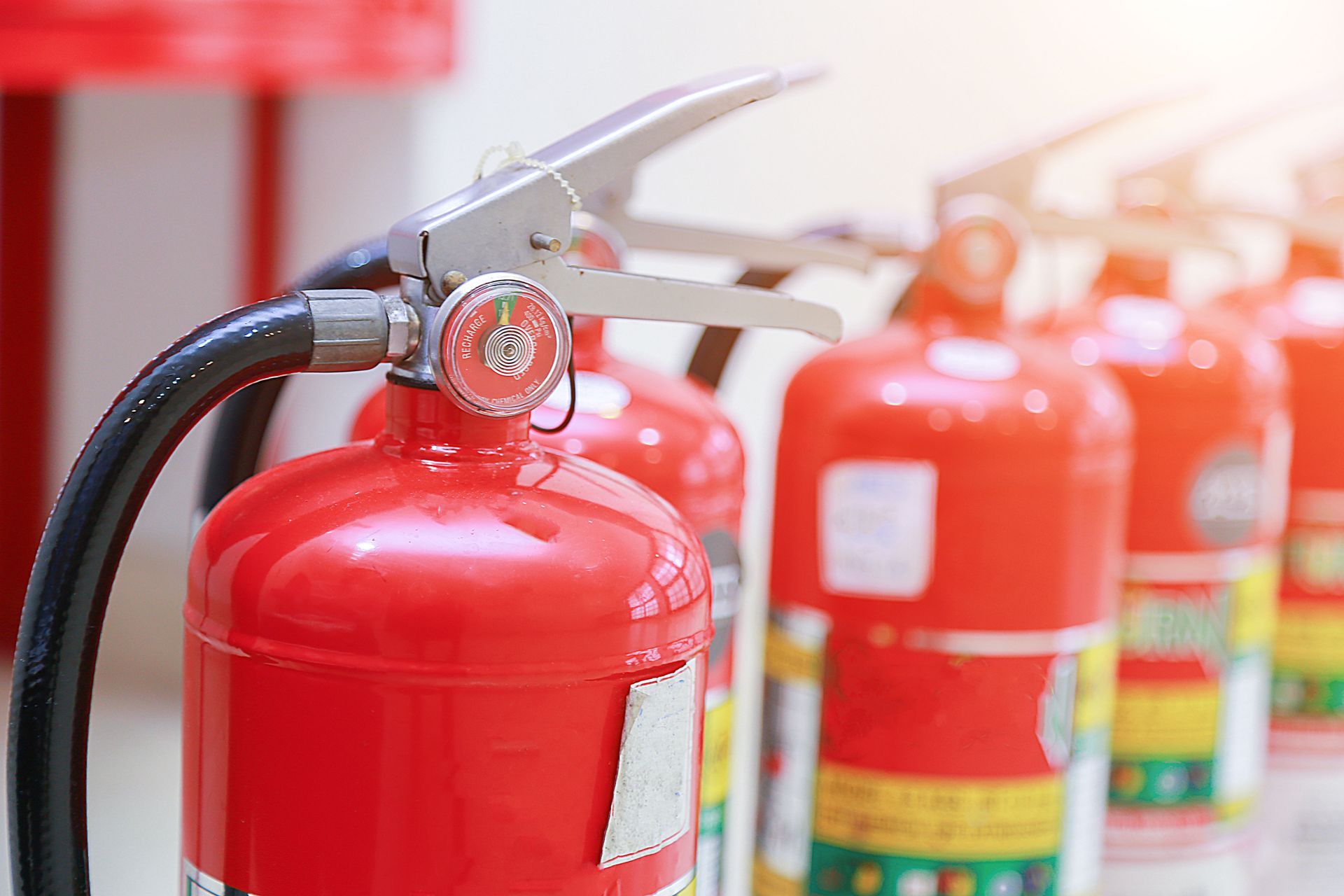
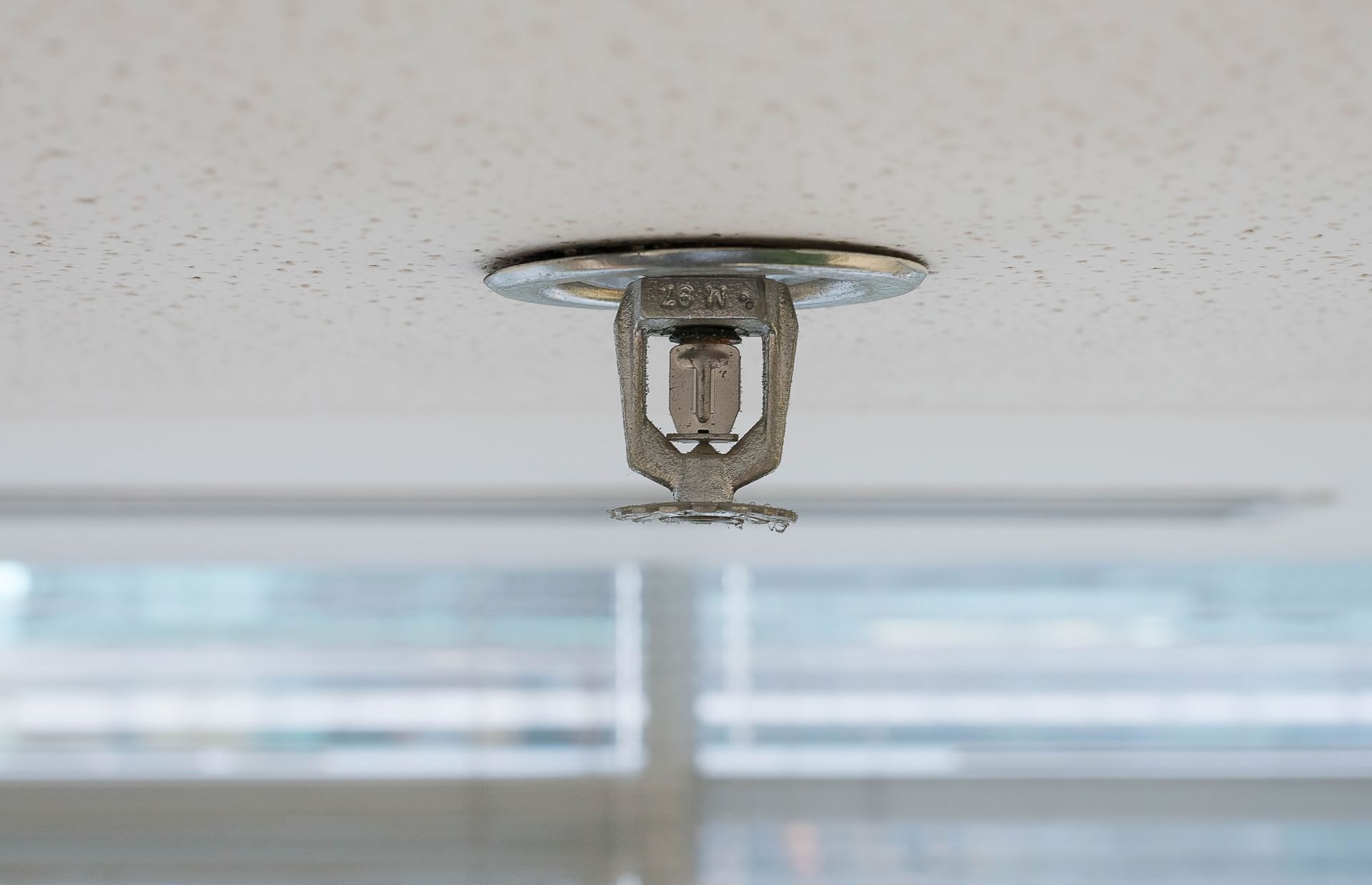
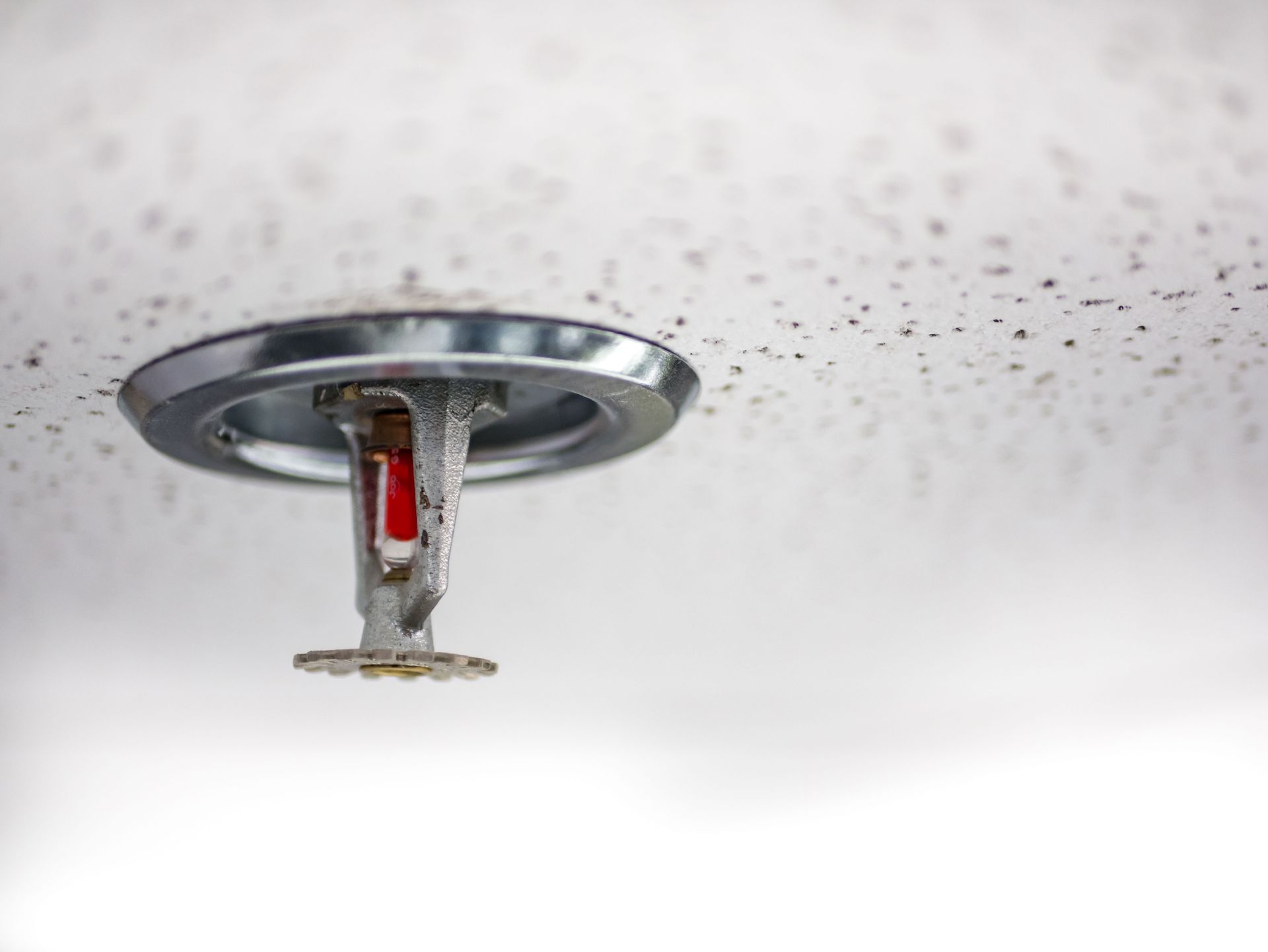
Advanced fire suppression systems have also benefited from technological innovation, with new sprinkler systems and suppression agents being developed. These systems are designed to quickly extinguish fires while minimizing water damage, and they often incorporate environmentally friendly chemicals to reduce their environmental impact. The integration of new materials and designs means that sprinkler systems can be more accurately tailored to specific environments, increasing their effectiveness. Additionally, the use of hydrodynamic properties and research-driven design enhancements allows for wider coverage and faster activation. As a result, fire suppression systems are becoming increasingly sophisticated and reliable, contributing significantly to fire safety.
Data-driven risk assessments are transforming the way fire protection services manage risk and enhance safety measures. By collecting and analyzing large amounts of data, fire departments can identify patterns and potential hazards more accurately. This has led to the development of targeted prevention programs and more efficient resource allocation. Furthermore, predictive analytics enable fire professionals to anticipate potential issues and address them proactively. This shift toward data-driven strategy has been crucial in addressing risks such as poorly maintained fireplaces and dirty chimneys, are responsible for three out of every 10 house fires caused by home heating systems, according to the Environmental Protection Agency.
Regulatory Changes Impacting Fire Safety Standards
Regulatory changes play a critical role in shaping fire safety standards, keeping them aligned with evolving risks and technologies. Recent updates in building codes have focused on improving fire resistance, evacuation routes, and smoke ventilation systems in residential and commercial properties. These changes are designed to protect occupants and prevent the rapid spread of fire within structures. Compliance with these updated regulations is mandatory, and failure to adhere can result in substantial fines and legal penalties. Staying informed about these changes and implementing necessary measures is essential for property owners, builders, and fire safety professionals alike.
Environmental regulations have also resulted in significant changes to fire protection strategies. As concerns about climate change and environmental conservation grow, the fire protection industry has adapted by developing more sustainable practices. This includes the use of eco-friendly fire suppression agents that minimize environmental harm while maintaining safety standards. Furthermore, regulations now often require fire risk assessments to evaluate the environmental impact of fire protection systems. Addressing these regulations not only supports environmental goals but also fosters public trust by demonstrating a commitment to sustainability.
Fire safety accountability is increasingly emphasized in both governmental oversight and industry self-regulation. Government agencies and industry watchdogs enforce compliance, making sure that safety standards are met across the board. This has led to the introduction of more stringent penalties for non-compliance, encouraging businesses and individuals to prioritize fire safety measures. The harmonization of international fire safety standards is another area of focus, with efforts underway to unify regulations across different countries. This is particularly important for multinational organizations, which must manage varying safety regulations and maintain consistent safety practices across their operations.
Innovations in Firefighting Equipment
In the area of firefighting equipment, innovations aim to enhance the safety and effectiveness of the tools used by firefighters. Next-generation protective gear utilizes advanced materials that offer superior thermal resistance and durability. These materials not only provide better protection against extreme heat but are also lighter, reducing the physical strain on firefighters. Moreover, the design of protective gear has evolved to include features such as better ventilation and ergonomic fittings, improving comfort and mobility during operations. As a result, firefighters are better equipped to face the demanding conditions of modern firefighting.
Technical advancements have also transformed firefighting vehicles, integrating cutting-edge technologies into these vital tools. High-tech fire trucks are equipped with state-of-the-art features, such as advanced communication systems, onboard computers for real-time data access, and enhanced navigation tools. These innovations enhance coordination among firefighting teams and improve response times. Additionally, the incorporation of automatic and remote-controlled mechanisms allows for more precise and efficient firefighting operations. These enhancements collectively contribute to more effective incident management and outcome optimization.
The advent of drone technology has introduced new capabilities to firefighting operations, particularly in aerial reconnaissance and direct firefighting activities. Drones equipped with thermal imaging cameras provide real-time aerial views, which are crucial for rapid assessment of fire conditions and strategic planning. This capability enhances situational awareness, allowing firefighting teams to deploy resources more effectively. Additionally, drones can perform tasks that are too dangerous for humans, such as monitoring unstable structures or carrying payloads of fire suppressant materials. As drone technology continues to evolve, its role in fire management is poised to expand further.
Training and Education in Fire Protection
Effective training programs are vital for making sure that fire protection professionals can respond efficiently and safely. Developing comprehensive training programs involves a focus on practical skills and theoretical knowledge, helping participants prepare for real-world scenarios. These programs must adapt to new challenges and technologies, incorporating current best practices and emerging trends in fire safety. Additionally, comprehensive training encompasses specialized skills, such as hazmat handling and wildfire management. Training providers emphasize realism and safety in their programs to enhance learning outcomes and skill acquisition.
Certification and accreditation play a crucial role in maintaining high standards within the fire protection industry. Certification shows that individuals meet professional criteria and possess the necessary skills and knowledge. Accredited training providers must adhere to strict quality standards, validating their commitment to delivering high-quality education. Achieving certification increases professional credibility and enhances career opportunities, encouraging continuous learning and professional development. Employers often prioritize certified professionals, recognizing the assurance of quality and expertise that certification provides.
Community education and public awareness programs are essential in fostering a culture of fire safety. These initiatives aim to educate residents about fire risks, prevention techniques, and emergency preparedness. By empowering individuals with knowledge, communities become more resilient and capable of reducing fire-related incidents. Programs often cover essential topics like smoke alarm maintenance, escape planning, and the safe use of heating equipment. Such education is crucial in areas with high rates of preventable fires, such as those caused by poorly maintained fireplaces and dirty chimneys, as identified by the EPA.
The landscape of fire protection services is characterized by constant change, driven by technological advancements, regulatory developments, and emerging challenges. The integration of cutting-edge technologies across detection, suppression, and risk management systems has enhanced safety and efficiency. Meanwhile, the implementation of new regulations and standards continues to shape fire protection strategies and foster industry accountability. As we move forward, investment in research and development, along with international cooperation, will be crucial in addressing future challenges and capitalizing on new opportunities. The continued focus on innovation and adaptation will help the industry remain at the forefront of safeguarding lives and property in a rapidly evolving world. To learn more, contact HydroPro Fire Sprinkler Company.